QA Work Samples: Tools, Evidence, and Real Test Artifacts
A visual walkthrough of the tools I use day-to-day for QA — Jira-style tracking, device matrices, BrowserStack, Chrome DevTools, GA4, Firebase Crashlytics, AWS CloudWatch, and SQL integrity checks — plus downloadable work samples.
Clients hiring QA remotely rarely get to watch the work happen live. This page closes that gap — it collects anonymized, illustrative evidence of the tools and artifacts I produce during a normal QA engagement: ticket tracking, device coverage, browser debugging, analytics validation, crash monitoring, backend log investigation, and database integrity checks.
What this work sample set covers
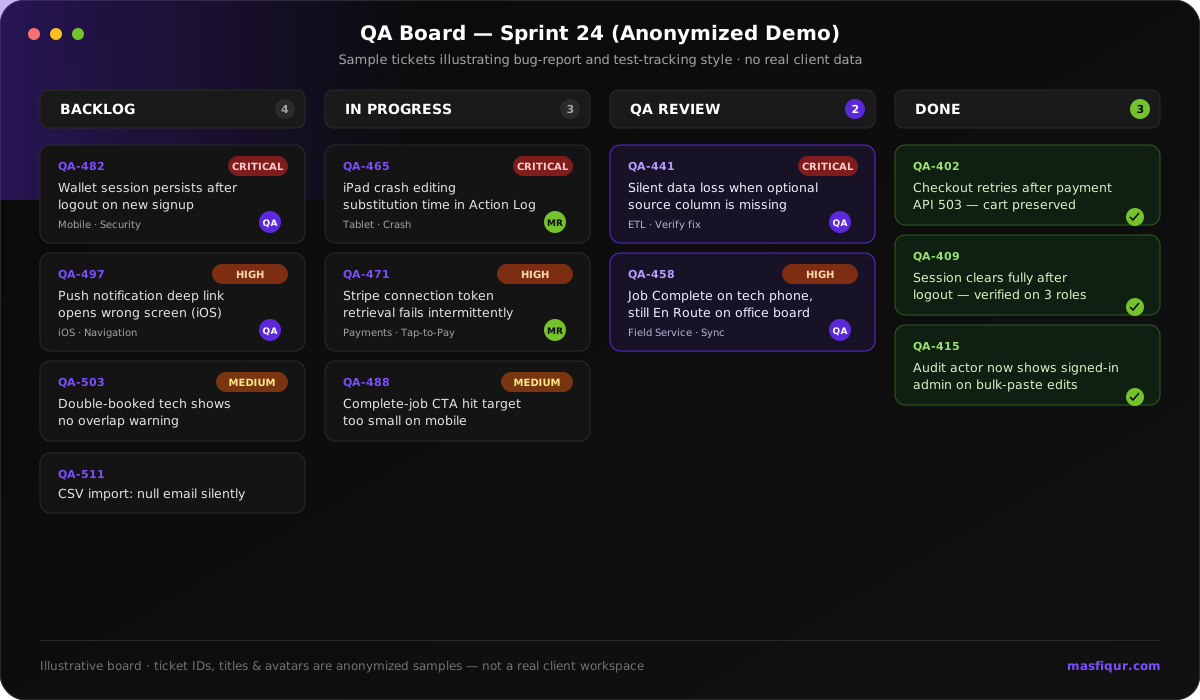
- Bug tracking and sprint-style QA boards (Jira-style)
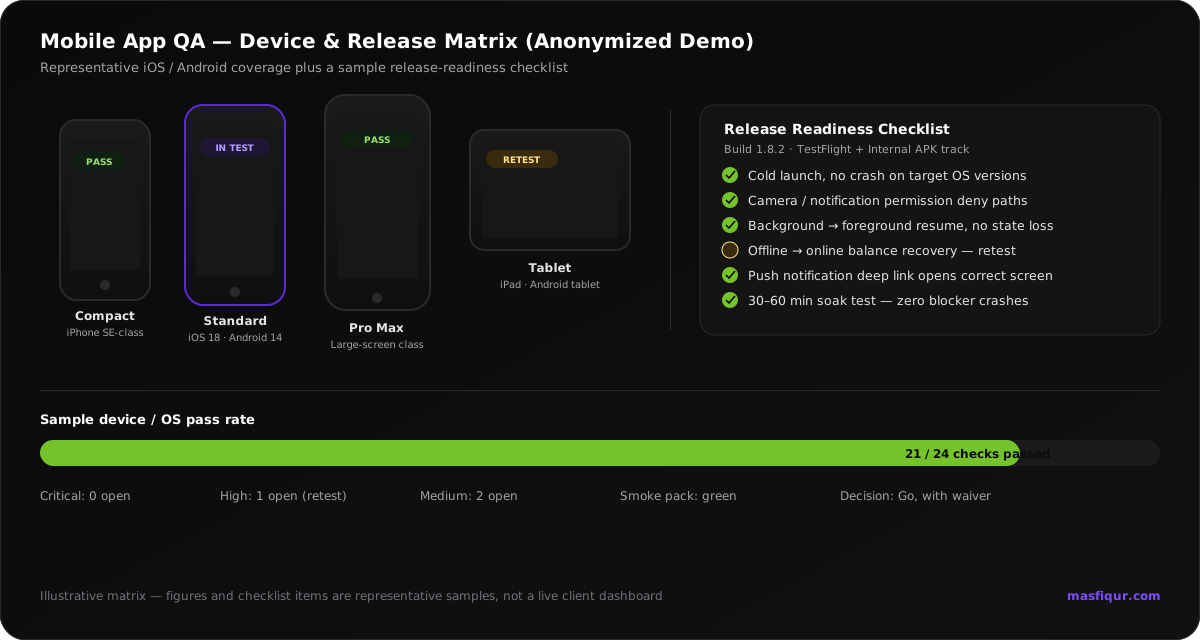
- Cross-device / cross-OS mobile QA matrices
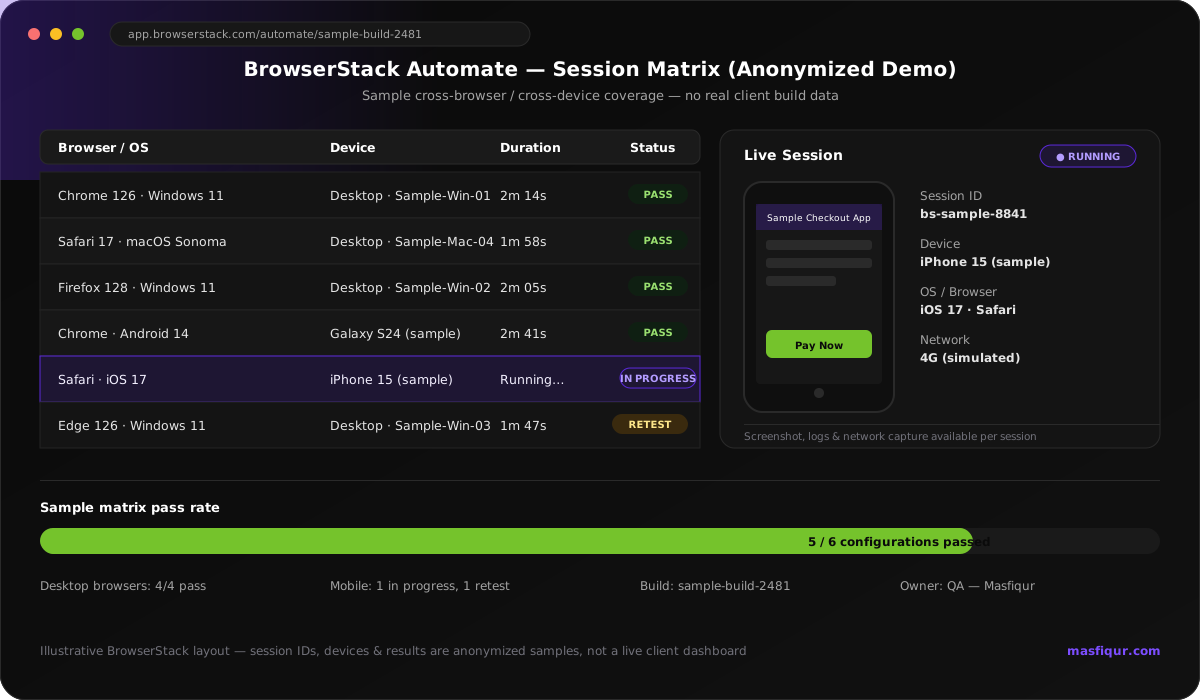
- Cross-browser and real-device coverage with BrowserStack
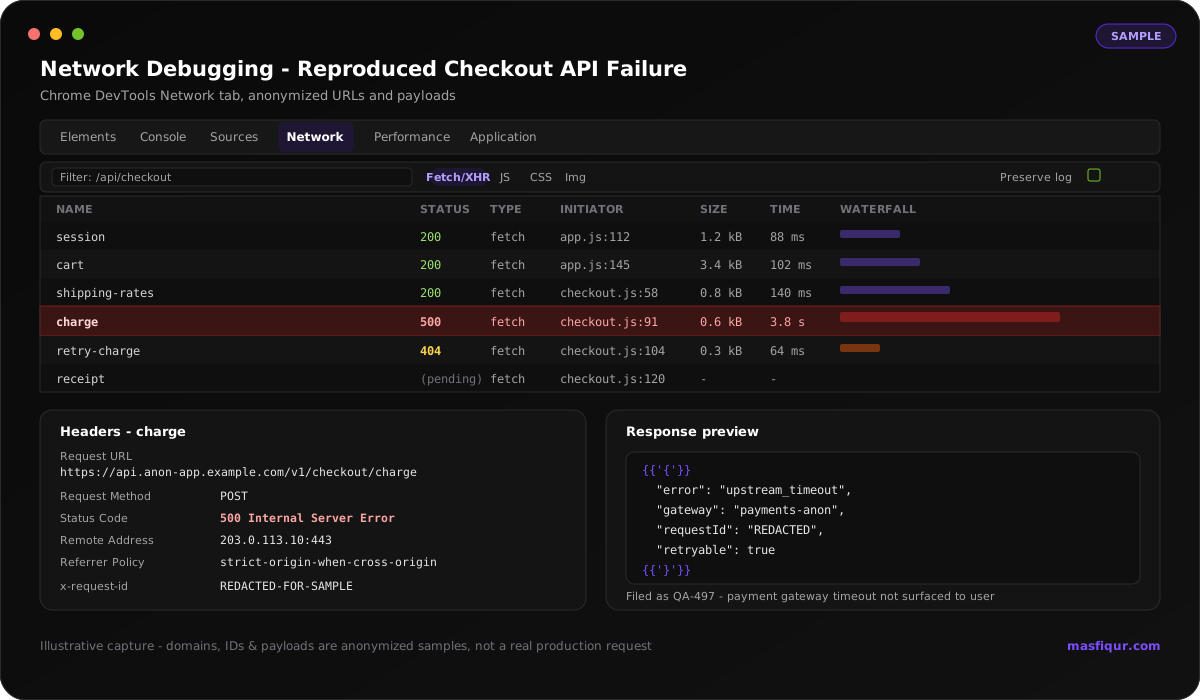
- Root-cause debugging with Chrome DevTools (Network + Console)
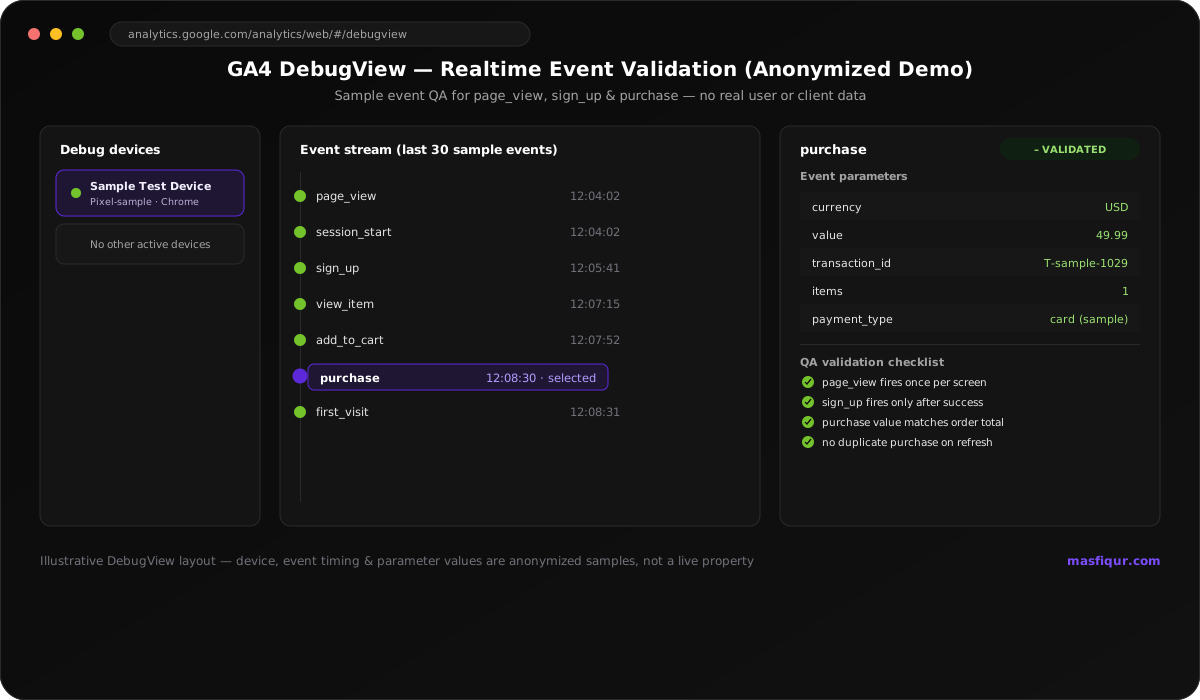
- Product analytics validation with GA4 DebugView
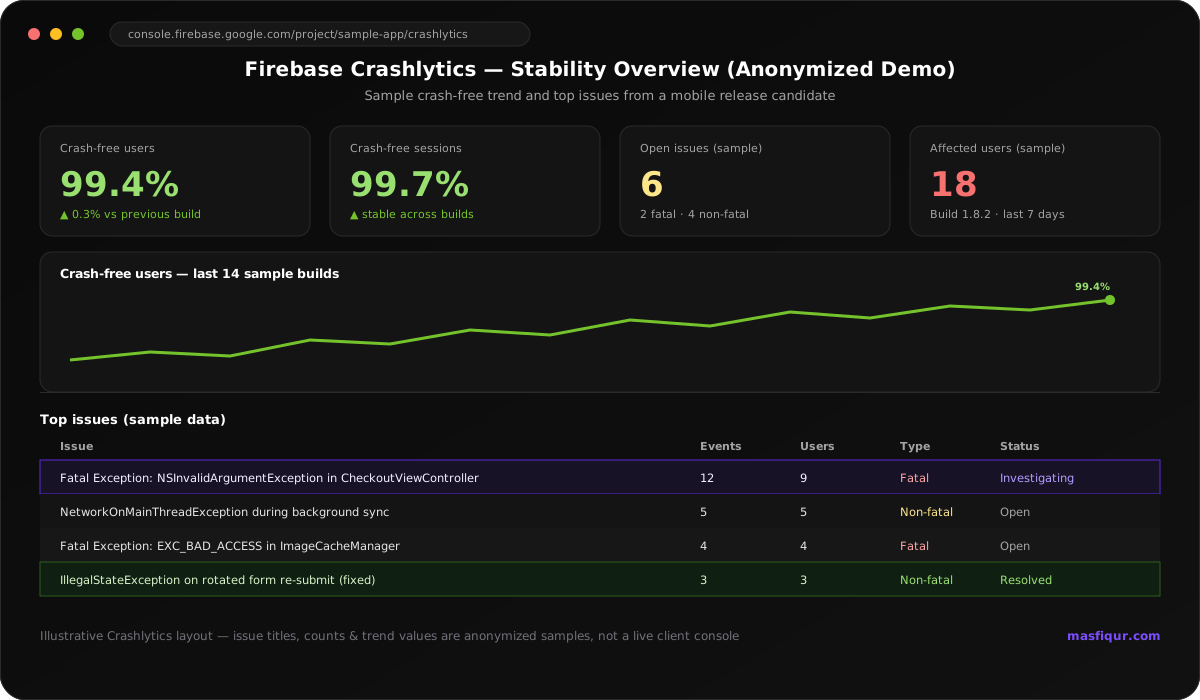
- Mobile crash and stability monitoring with Firebase Crashlytics
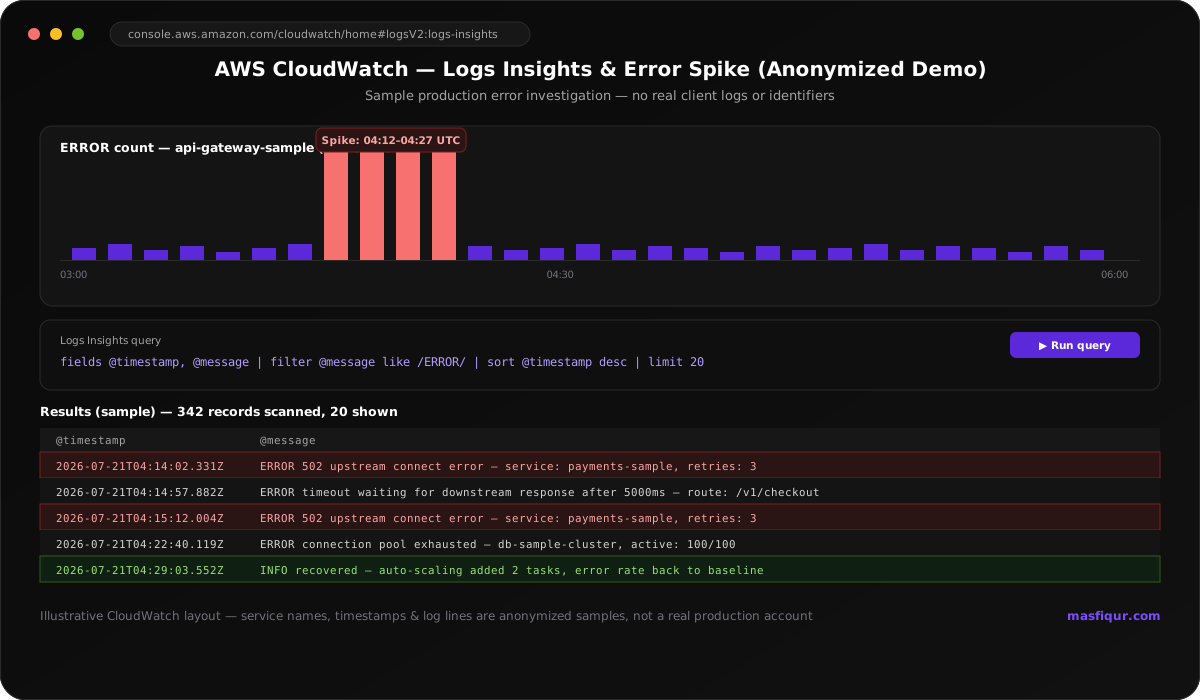
- Backend log investigation with AWS CloudWatch Logs Insights
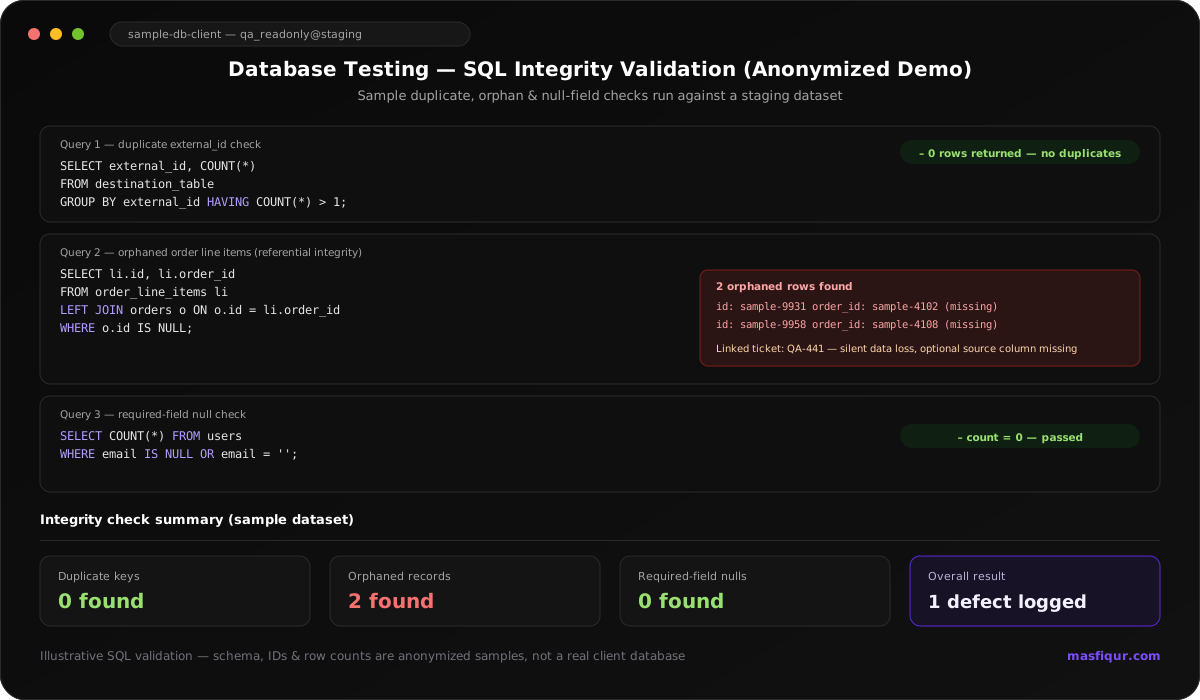
- Data integrity validation with direct SQL checks
- Pull request QA on Bitbucket, plus local git/Docker verification
Tooling & Evidence Samples
These mocks are styled after real dashboards I use, rebuilt with sample data so the layout, workflow, and QA judgment are visible without exposing any client's actual product or users.
Bitbucket PR & Local Verification
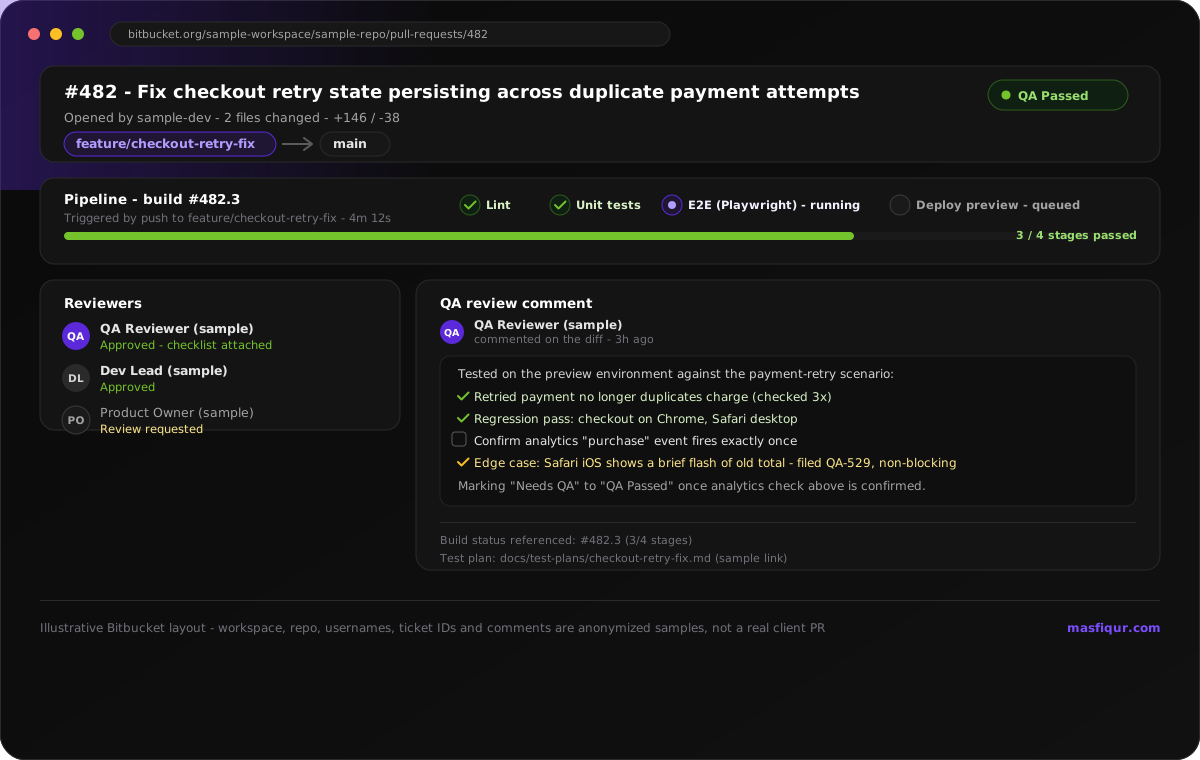
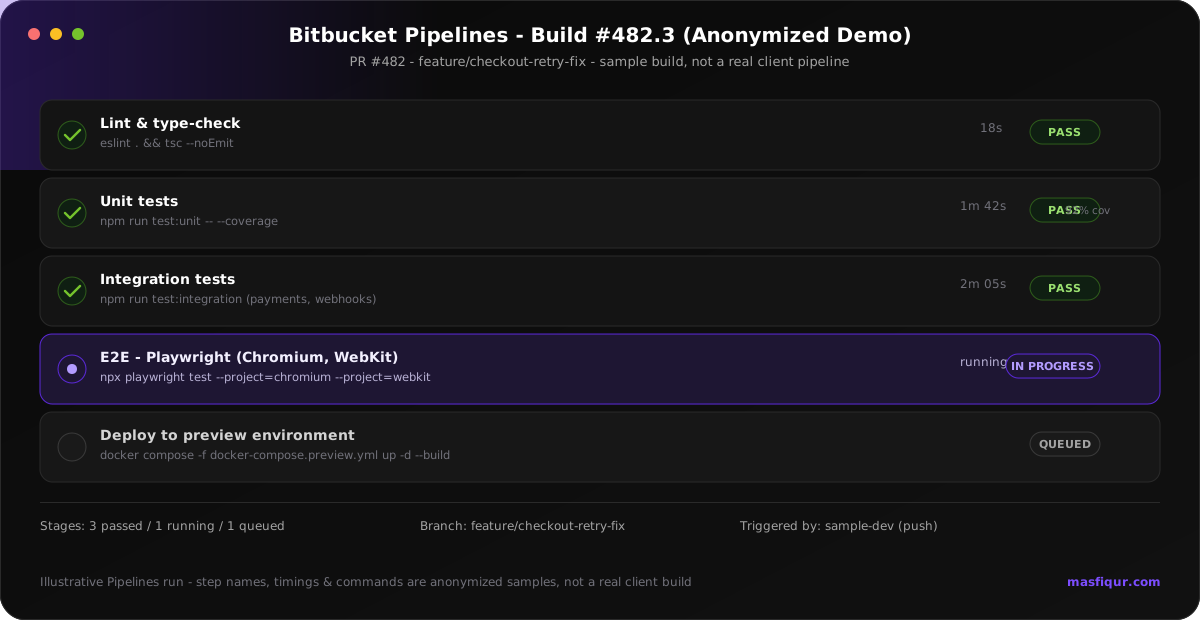
A large share of my day-to-day QA happens directly on the pull request, before code ever reaches a shared staging environment. I check the diff for risk, read the pipeline status, smoke-test the branch on a preview build or locally, and leave a checklist-style comment so the dev and reviewers know exactly what was and wasn't covered.
What I check on a pull request before approving QA
| Check | What I'm looking for | Where |
|---|---|---|
| Diff risk | Blast radius of the change — files touched, shared components, migrations | PR diff / file tree |
| Pipeline status | Lint, unit, and integration stages green before I spend time manually testing | Pipeline / build checks |
| Smoke on preview | Core happy path works on the deployed preview build or a local run | Preview URL or local docker/dev server |
| Targeted regression | Areas adjacent to the change haven't broken (related flows, permissions, edge cases) | Preview / local + regression checklist |
| Test plan / evidence | Steps taken, environment, and result are written on the PR, not just "looks good" | PR comment or linked test-plan doc |
When a preview environment isn't available (or I need to reproduce something more precisely), I pull the branch and run the app locally. These are representative commands from that workflow — branch and service names are anonymized.
# Get the latest branches and switch to the PR branch
git fetch origin
git checkout feature/checkout-retry-fix
git pull origin feature/checkout-retry-fix

# Rebuild and run the full stack locally with Docker
docker compose up --build

# ...or run just the app/API for a faster loop
npm install
npm run dev

# Run the automated checks referenced on the PR
npm run test          # unit / integration
npm run test:e2e      # Playwright end-to-end

# Tear down local containers when done
docker compose downHow these tools fit together in one QA cycle
Tool → what it validates in a typical release cycle
| Tool | What it validates | When I use it |
|---|---|---|
| Jira-style board | Ticket flow, severity, ownership | Throughout the sprint |
| Device/OS matrix | Representative mobile coverage | Before release sign-off |
| BrowserStack | Cross-browser & real-device parity | Regression + release candidates |
| Chrome DevTools | Failed requests, JS errors, payloads | Bug investigation |
| GA4 DebugView | Event firing & parameter accuracy | Analytics/tracking QA |
| Firebase Crashlytics | Crash-free rate, fatal/non-fatal issues | Mobile release monitoring |
| AWS CloudWatch | Backend error spikes, log tracing | Production/staging incidents |
| SQL validation | Duplicates, orphans, null integrity | Data & migration QA |
| Bitbucket PR + local run | Diff risk, pipeline status, smoke on preview/local | Every pull request before merge |
Downloadable work samples (PDF)
For a closer look at how I document real engagements — scope, environment, findings, and impact — here are a few anonymized work-sample PDFs available for download.
QA Work Demo
General manual QA engagement sample: scope, test approach, and findings.
AI Platform QA Work Sample
QA approach for an AI-powered SaaS platform, including prompt and safety checks.
Senior QA — B2C SaaS Work Sample
Senior-level QA sample for a consumer SaaS product covering release readiness.
UAT Tester Work Demo
UAT-focused testing sample: stakeholder scenarios, sign-off, and exit criteria.
This page will keep growing as I add new anonymized evidence. If you are evaluating QA support for an upcoming release, these samples should give a realistic picture of the process, tooling, and documentation quality you can expect.
Need release-ready QA support?
Hire MD Masfiqur Rahman for Playwright automation, API testing, mobile QA, accessibility checks, and production readiness — remotely worldwide.